In an increasingly volatile world, the concept of protection is often associated with physical barriers, advanced security systems, or legal frameworks. However, there is a more profound and enduring form of security that begins in the mind: education. Beyond its role in career development and economic growth, education serves as a fundamental layer of protection for individuals and societies alike. It is a tool that empowers the vulnerable, secures health, preserves financial stability, and safeguards the very foundations of democracy.
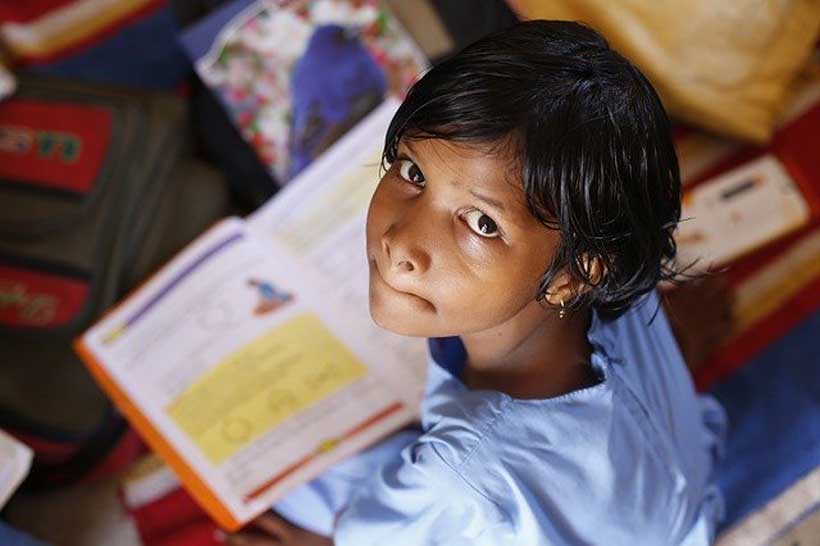
When we speak of “education for protection,” we are referring to the acquisition of knowledge that acts as a proactive defense mechanism against the various risks life presents. From avoiding exploitation to navigating the complexities of the digital age, being informed is the first line of defense.
Protection Against Exploitation and Injustice
One of the most critical roles of education is its ability to protect individuals from exploitation. Historically and globally, those with limited access to education are at a much higher risk of falling victim to human trafficking, forced labor, and predatory legal practices.
Education provides individuals with the literacy and numeracy skills required to understand contracts, recognize their legal rights. And seek help when those rights are violated. When a person is educated, they are less likely to be deceived by fraudulent promises of employment or coerced into unfair agreements. In many developing regions, basic education for girls has been identified as the single most effective way to protect them from early marriage and domestic violence. Providing them with the agency to make choices about their own bodies and futures.
Safeguarding Physical and Mental Health
There is a direct and undeniable link between educational attainment and health outcomes. Education protects the body by providing the knowledge necessary to prevent illness and manage chronic conditions. Individuals with a solid educational background are generally more aware of nutritional requirements. The importance of hygiene, and the risks associated with substance abuse.
Furthermore, education serves as a protective factor for mental health. It provides people with the cognitive tools to process stress, solve problems, and build resilience. In a world where health misinformation can spread rapidly. An educated mind acts as a filter, distinguishing between scientifically backed medical advice and dangerous myths. By understanding how to navigate the healthcare system, educated individuals can seek preventative care, which acts as a long-term shield against severe medical crises.
Financial Security and Economic Resilience
In the economic sphere, education is the best insurance policy against poverty. While no degree can completely guarantee employment, education significantly lowers the risk of long-term financial instability. It provides the versatility needed to adapt to changing job markets—a crucial form of protection in the era of automation and artificial intelligence.
Beyond vocational skills, financial literacy is a specific branch of education that protects personal assets. Understanding how interest rates work, the importance of diversified investments, and the dangers of high-interest debt can prevent individuals from falling into “debt traps” that ruin lives. An educated consumer is a protected consumer; they are less likely to be swayed by predatory lending or financial scams that target the uninformed.
Protection in the Digital Frontier
As our lives migrate online, the nature of threats has shifted toward the digital realm. Cybersecurity is no longer just a technical issue; it is an educational one. “Education for protection” in the 21st century must include digital literacy.
Knowing how to identify phishing attempts, the importance of strong encryption, and the risks of sharing sensitive personal data on social media are essential survival skills. Education protects our digital identities and our privacy. Without this knowledge, individuals are vulnerable to identity theft, financial fraud, and cyber-harassment. By educating the public on digital ethics and safety, we create a collective defense that makes the entire internet a safer place for everyone.
Preserving Social Stability and Democracy
On a societal level, education protects the collective peace. Ignorance is often the breeding ground for prejudice, radicalization, and social unrest. When people are taught critical thinking and historical context, they are better equipped to resist propaganda and extremist ideologies that thrive on simplified, us-versus-them narratives.
Education fosters empathy by exposing students to different cultures, perspectives, and ways of life. This cultural intelligence protects communities from the fracturing effects of xenophobia and intolerance. Furthermore, a well-educated citizenry is the ultimate protection for democracy. It ensures that voters can analyze policy, hold leaders accountable, and participate meaningfully in the governing process, preventing the rise of authoritarianism and the erosion of civil liberties.
Environmental Protection and Future Security
Finally, education is our primary defense against the escalating threat of climate change and environmental degradation. By educating the next generation about ecology, sustainability, and resource management, we are protecting the planet’s ability to sustain life.
Environmental education encourages the innovation of green technologies and the adoption of sustainable lifestyles. It protects our future food security, our water sources, and our air quality. Without an educated population that understands the urgency of ecological balance, we remain defenseless against the long-term consequences of environmental neglect.
Conclusion
Education is often viewed as a ladder to success, but it is equally a shield against adversity. It is a portable asset that cannot be stolen, a light that dispels the shadows of fear and manipulation. Whether it is protecting a child from a predatory contract, a family from financial ruin, or a nation from the loss of its democratic values, the power of knowledge is the most resilient security system we possess.
Investing in education is the most proactive way to build a safer world. When we empower individuals with the ability to think critically, communicate effectively, and understand the world around them, we give them the ultimate form of protection—the power to protect themselves and their communities from the uncertainties of the future. Knowledge truly is the greatest guardian.