Understanding Secondary Education: A Crucial Stage in Academic Development
Secondary education serves as a pivotal stage in a student’s academic journey, bridging the gap between primary education and higher education or vocational training. This phase is not merely a continuation of primary schooling but a critical period where students consolidate their knowledge, develop critical thinking skills, and prepare for the responsibilities of adulthood.
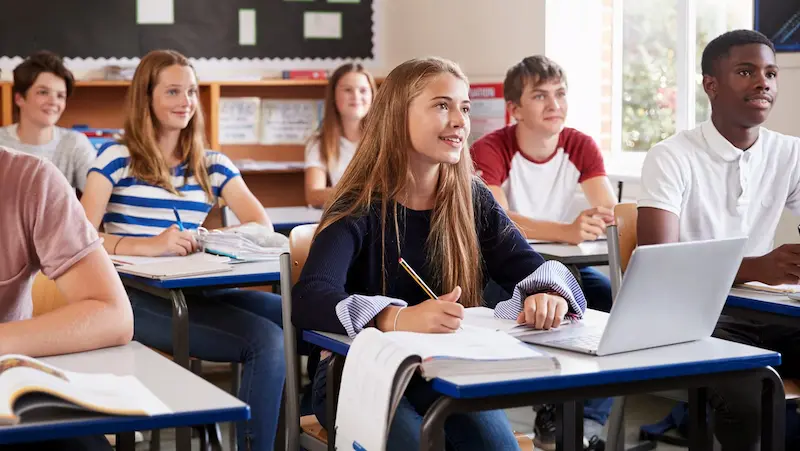
The Structure of Secondary Education
The structure of secondary education varies globally, reflecting cultural, economic, and societal differences. Despite these variations, the core objective remains consistent: to provide students with the skills and knowledge necessary for their future endeavors, whether academic or vocational.
Lower and Upper Secondary Education
Secondary education is often divided into two distinct phases: lower secondary education and upper secondary education. Lower secondary education typically includes students aged 12 to 15 years and focuses on a broad curriculum that builds on the foundation laid during primary education. Subjects such as mathematics, science, … Read more


 The function of adult educators is complex and intently related to the objectives and functions of adult training. The actions are mostly meant for volunteers and active members within the organisations. The training takes place within the form of programs, lectures, seminars and examine golf equipment, which facilitate peer studying. Instructing mainly takes place in the evenings or during weekends, typically at services owned by the organisation. About 30 colleges and administrative buildings can even be affected by strike action launched by the native branch of the OSSTF. Together with highschool teachers and substitutes, OSSTF additionally represents custodial and upkeep employees, instructional assistants, early childhood educators, grownup schooling staff and professional help workers.
 Quality early care is essential to children’s healthy growth. The information about the period of time spent at an exhibit is interesting. Every time I’ve arranged a discipline journey, or taken my youngsters for a day journey, we’ve prepared by focusing on one animal or group of animals (Animals from Africa, or Animal that stay below the ground). When we go to the zoo, we spend extra time at that exhibit as we observe that animal. The other displays we might visit only briefly (can’t go away with out saying “hello” to the elephants). Focusing on totally different animals with each go to retains the zoo an interesting place to visit, and a place to study.