The relationship between the classroom and the factory floor has historically been one of supply and demand: schools produce graduates, and industries hire them. However, in the mid-2020s, this dynamic has undergone a radical transformation. We are no longer looking at education as a mere precursor to work, but as an integrated component of industrial operation. Education Industrial Applications (EIA) represent the specialized intersection where pedagogical methods are embedded directly into industrial workflows, manufacturing processes, and technological development.
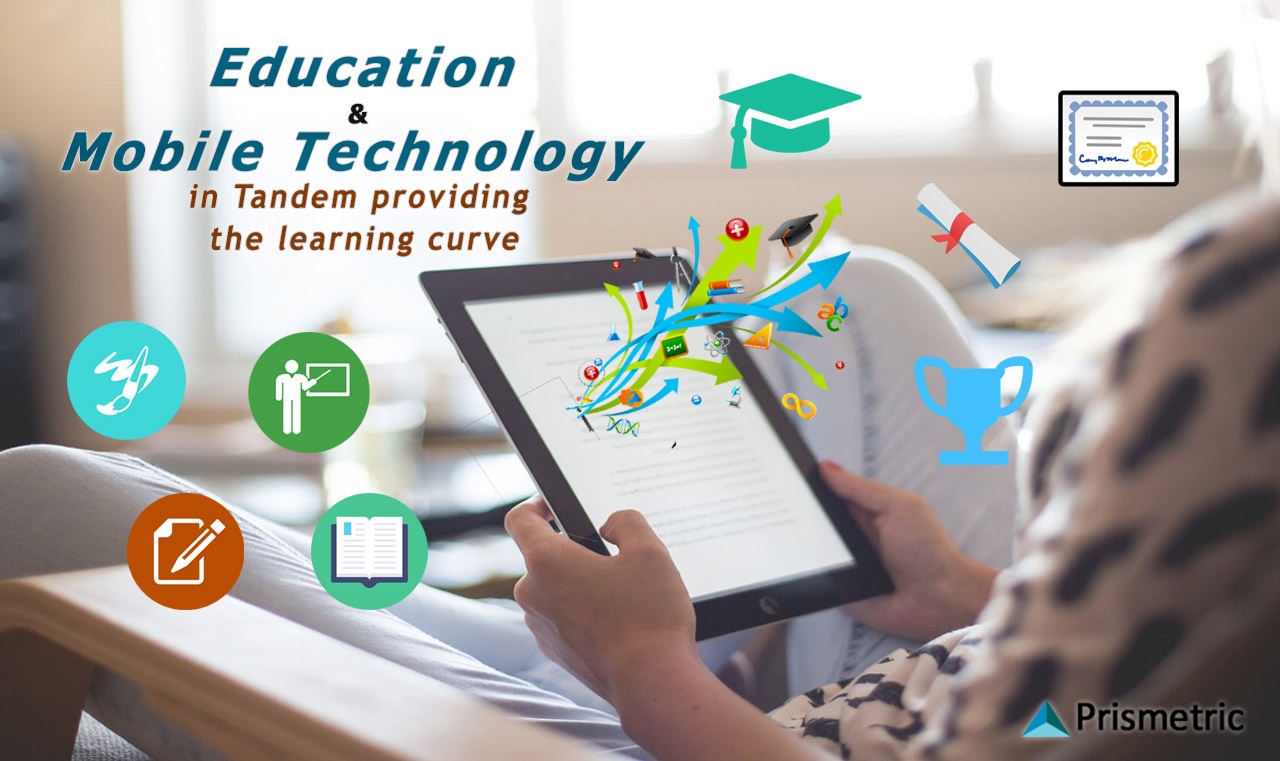
This shift is driven by the rapid pace of Industry 4.0 and the looming shadow of Industry 5.0, where human-robot collaboration and hyper-personalization require a workforce that is constantly learning. In this environment, education is not a phase of life; it is a permanent industrial application.
The Evolution of Corporate Universities and Integrated Learning
One of the most prominent industrial applications of education is the rise of the specialized corporate university. Large-scale enterprises in sectors like automotive manufacturing, aerospace, and renewable energy are no longer relying solely on external academic institutions to train their staff. Instead, they are building internal “learning ecosystems.”
These applications go beyond simple onboarding. They involve highly sophisticated curricula designed around specific proprietary technologies. For example, a semiconductor manufacturer might run an internal educational program that rivals a Master’s degree in materials science, tailored specifically to their unique fabrication processes. This allows companies to close the “skills gap” in real-time, ensuring that their labor force is always in sync with the latest hardware and software updates.
Augmented and Virtual Reality: The High-Tech Classroom
In high-stakes industries such as oil and gas, mining, and heavy machinery, mistakes during training can be fatal and incredibly expensive. This is where the application of educational technology (EdTech) becomes a literal lifesaver. Augmented Reality (AR) and Virtual Reality (VR) are the primary tools in this space.
By applying educational scaffolding within a virtual environment, industries can train technicians to repair a jet engine or manage a chemical leak without any physical risk. These “digital twin” simulations are educational applications that provide haptic feedback and real-time assessment. A trainee can repeat a dangerous procedure a hundred times in the virtual world until the muscle memory is perfect. This integration of pedagogical theory into immersive tech has reduced industrial training times by up to 40% in many technical sectors.
AI-Driven Adaptive Training in the Workforce
Artificial Intelligence is perhaps the most transformative educational application in the industrial sector today. Just as AI-powered apps help students learn languages at their own pace, industrial AI platforms now monitor the performance of employees to provide “just-in-time” learning.
If an operator on an assembly line is consistently struggling with a specific complex task, the integrated system detects the slowdown and serves a 30-second micro-learning video or a diagram directly to the operator’s heads-up display. This is education applied at the exact moment of need. It eliminates the need for long, broad training seminars and replaces them with a continuous, personalized stream of information that keeps the industrial process moving efficiently.
Standardization and Certification as Industrial Assets
Education also serves an industrial purpose through the rigorous application of standardization. In global supply chains, “education” often takes the form of ISO certifications and specialized industry credentials (such as Six Sigma or Lean Manufacturing).
These are not just certificates; they are educational frameworks that ensure a factory in Vietnam operates with the same quality and safety protocols as a factory in Germany. The application of these educational standards allows for the seamless interchangeability of parts, processes, and personnel. For a small business or a large corporation, the “educational asset” of a certified workforce is a major competitive advantage that reduces waste and increases market trust.
The Human-Centric Shift: Education in Industry 5.0
As we move toward Industry 5.0, the focus is shifting back to the collaboration between humans and machines. The educational application here is focused on “soft skills” that machines cannot replicate: critical thinking, ethical decision-making, and creative problem-solving.
Industrial programs are increasingly incorporating humanities and social sciences into their technical training. This is based on the realization that a technician who understands the ethical implications of AI or the environmental impact of a specific material is a more valuable asset than one who only knows how to operate the machinery. Education, in this context, is applied to protect the company’s long-term sustainability and social license to operate.
Educational Infrastructure as a Regional Economic Engine
Finally, the application of education in industry has a massive geographic impact. “Industrial clusters” often form around educational hubs. From Silicon Valley to the manufacturing belts of Southeast Asia, the presence of technical vocational schools and research universities acts as a magnet for industrial investment.
Governments and private corporations are increasingly co-investing in these “Special Education Zones.” By tailoring the local education system to the specific needs of local industry—such as specialized agricultural tech in rural areas or maritime engineering in port cities—communities create a self-sustaining cycle of economic growth. This is the ultimate macro-application of education as an industrial policy.
Conclusion
Education Industrial Applications have moved far beyond the traditional classroom. Today, education is a dynamic, integrated tool that powers innovation, ensures safety, and drives efficiency across every sector of the economy. From VR simulations on oil rigs to AI-guided learning on the factory floor, the application of pedagogical principles is what allows modern industry to keep pace with technological change.
For the modern professional and the forward-thinking business owner, recognizing that education is a core industrial function is the key to staying relevant. The future of industry does not just belong to those with the best machines, but to those who have the best systems for teaching people how to use, improve, and evolve alongside them. When education and industry act as one, the potential for human achievement is limitless.